

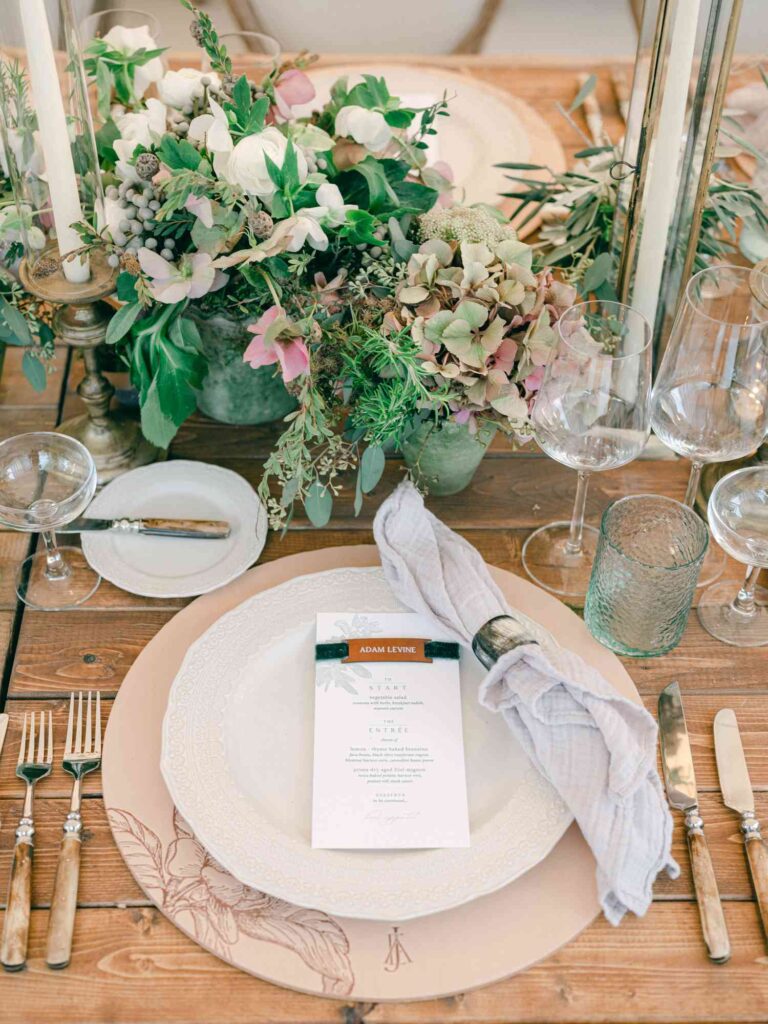
Sustainable weddings are no longer a niche offering—they have become a defining standard in the modern wedding event industry. Today’s couples are informed, values-driven, and deeply conscious of their environmental footprint. As a result, event professionals are being challenged to rethink traditional practices and redesign celebrations through an eco-friendly lens—without compromising elegance, creativity, or experience.
For wedding planners, designers, venue managers, and vendors, sustainability is now both a responsibility and a competitive advantage. Professionals who embrace eco-friendly event design are not only meeting client expectations but also positioning their brands as forward-thinking leaders in a rapidly evolving market.
This article explores how industry professionals are redefining sustainable weddings and implementing environmentally responsible design strategies that are both impactful and profitable.
Understanding Sustainable Wedding Design
What Makes a Wedding Truly Sustainable?
A sustainable wedding goes beyond reusable décor or recycled paper. It involves a holistic approach that considers environmental, social, and economic impact at every stage of planning and execution.
Key principles include:
- Responsible sourcing of materials
- Waste reduction and diversion
- Ethical labor and vendor practices
- Energy-efficient venues and logistics
- Long-term reuse or repurposing of décor
Professionals are shifting from “less waste” to intentional design, where sustainability is embedded into the event concept from day one.
From Disposable to Reusable Design Systems
One of the biggest transformations in sustainable weddings is the move away from single-use décor. Event designers now invest in modular décor systems that can be reused, reconfigured, and rebranded for multiple events.
Popular professional strategies include:
- Rental-based arches, backdrops, and signage
- Neutral décor elements adaptable across themes
- Fabric draping instead of vinyl or plastic materials
These systems reduce waste while increasing long-term return on investment for businesses.
Reimagining Floral Design
Floral waste has historically been one of the largest sustainability challenges in weddings. Professionals are now redefining floral design through:
- Locally sourced, seasonal blooms
- Potted plants that double as guest favors
- Foam-free installations
- Repurposing ceremony florals for reception spaces
These approaches maintain luxury aesthetics while dramatically reducing environmental impact.
Sustainable Venue Selection and Event Logistics
Eco-Conscious Venues as Strategic Partners
Venue selection plays a critical role in sustainable wedding execution. Many professionals now prioritize venues that demonstrate:
- Energy-efficient lighting and HVAC systems
- Waste sorting and composting programs
- Water conservation practices
- Natural light utilization
By collaborating closely with eco-conscious venues, planners streamline logistics and strengthen sustainability claims with measurable outcomes.
Reducing the Carbon Footprint of Event Operations
Professionals are optimizing logistics by:
- Encouraging local vendor sourcing
- Consolidating delivery schedules
- Using digital floor plans and timelines
- Minimizing transportation for guests and suppliers
These behind-the-scenes improvements significantly lower emissions while improving operational efficiency.
Ethical Vendor Collaboration in Sustainable Weddings
Building a Green Vendor Ecosystem
Sustainable weddings thrive on collaboration. Event professionals are forming trusted networks of like-minded vendors who share environmental values.
Key criteria for sustainable vendor partnerships include:
- Transparent sourcing and production
- Ethical labor practices
- Recyclable or compostable packaging
- Clear sustainability policies
This ecosystem approach strengthens brand credibility and simplifies planning workflows.
Paperless Planning and Guest Communication
Technology has become a powerful enabler of sustainable weddings. Professionals are replacing printed materials with:
- Digital invitations and RSVPs
- Wedding websites and apps
- QR-code menus and programs
- Cloud-based planning tools
These solutions reduce paper waste while improving guest engagement and data accuracy.
Educating Clients Without Compromising Their Vision
Guiding Couples Toward Sustainable Choices
Professionals play a key role in client education. Rather than imposing restrictions, successful planners:
- Present sustainable options as premium upgrades
- Explain long-term impact in simple terms
- Showcase real examples and case studies
- Align sustainability with the couple’s values and story
This consultative approach builds trust and positions sustainability as an enhancement—not a limitation.
Business Benefits of Offering Sustainable Weddings
Why Sustainability Is Good for Profitability
Adopting sustainable wedding practices offers tangible business advantages:
- Stronger brand differentiation
- Increased appeal to high-value, conscious clients
- Reduced long-term décor and material costs
- Improved vendor loyalty and partnerships
- Positive media and social exposure
Professionals who lead with sustainability often experience higher client satisfaction and referral rates.
Frequently Asked Questions (FAQs)
1. Are sustainable weddings more expensive to produce?
Not necessarily. While some eco-friendly materials may cost more upfront, reusable décor and local sourcing often reduce overall expenses over time.
2. Can luxury and sustainability coexist in weddings?
Absolutely. Sustainable weddings today are defined by thoughtful design, craftsmanship, and intentional choices—not compromise.
3. How can planners measure sustainability impact?
Professionals can track waste reduction, material reuse, vendor sourcing, and transportation logistics to demonstrate measurable impact.
4. What décor elements have the biggest environmental impact?
Single-use florals, foam-based installations, plastics, and excessive printing are major contributors to waste.
5. How do couples usually respond to eco-friendly options?
Most couples respond positively when sustainability is presented as stylish, meaningful, and aligned with their values.
6. Is sustainability a long-term trend in the wedding industry?
Yes. Sustainability is becoming a baseline expectation rather than a trend, especially among modern and luxury clients.
Conclusion: The Future of Sustainable Weddings Is Professional-Led
Sustainable weddings represent a powerful shift in how celebrations are designed, delivered, and experienced. For professionals, embracing eco-friendly event design is no longer optional—it is a strategic evolution that aligns ethics with excellence.
By redefining materials, workflows, partnerships, and client education, wedding professionals are shaping a future where beautiful events leave lasting memories—not lasting waste.
Those who lead this transformation today will define the standards of tomorrow’s wedding industry.