

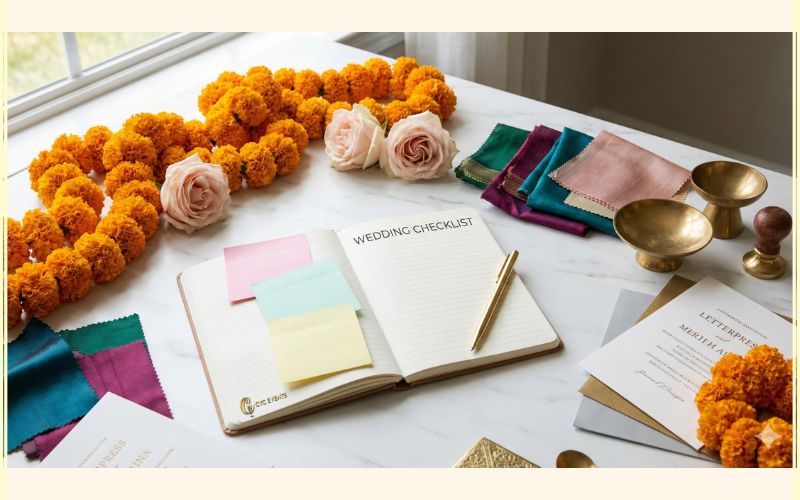
Planning a wedding is exciting—but timing is everything. One of the most common questions couples ask after getting engaged is: How early should we start planning our wedding? The short answer is: earlier than you think.
Starting early gives you more choices, less stress, and better control over your budget. This guide breaks down exactly when to start planning, what to do at each stage, and how early preparation sets the foundation for a smooth, joyful wedding experience.
The Short Answer: 12 Months Is Ideal (But Flexible)
For most weddings, experts recommend starting planning 12 months in advance. This timeline works well for:
- Medium to large weddings
- Popular venues and peak seasons
- Couples who want top vendors
That said, weddings can be planned in 6–9 months or even 3–4 months with the right priorities and support. The key is knowing what needs to be done and when.
Why Starting Early Makes Wedding Planning Easier
Planning early isn’t just about checking boxes—it’s about peace of mind.
Benefits of Early Wedding Planning
- Better venue and vendor availability
- More time to compare prices and options
- Less pressure on decision-making
- Smoother coordination with family and friends
- Fewer last-minute emergencies
Couples who plan early often enjoy the process more and feel calmer as the wedding day approaches.
Wedding Planning Timeline: When to Start and What to Do
12–14 Months Before the Wedding
This is the foundation stage.
What to focus on:
- Decide on wedding style and vision
- Set a realistic budget
- Draft a rough guest list
- Choose the wedding date or season
Starting this early is especially important if you’re planning a large wedding or a popular time of year.
9–12 Months Before the Wedding
This is when planning becomes more active.
Key tasks:
- Book the venue
- Hire major vendors (photographer, caterer, planner)
- Start thinking about décor themes
- Begin attire research
Popular venues and vendors are often booked far in advance, so this stage is crucial.
6–9 Months Before the Wedding
At this point, your wedding starts to take shape.
Things to do:
- Finalize décor and theme
- Book makeup artists, stylists, and entertainment
- Plan ceremony details and rituals
- Send save-the-date notifications
Couples who start planning late often feel the pressure here—another reason early planning helps.
3–6 Months Before the Wedding
This is the detail phase.
Checklist includes:
- Finalize guest list
- Order invitations
- Plan menu and food tastings
- Arrange accommodation and transport if needed
Having extra time at this stage means fewer rushed decisions.
1–2 Months Before the Wedding
Now it’s about confirmation and coordination.
Focus on:
- Confirm all vendor bookings
- Final fittings for attire
- Create a wedding day timeline
- Assign responsibilities
Couples who planned early usually feel confident and relaxed during this period.
The Final Week
This is the time to slow down and enjoy.
Do this:
- Reconfirm schedules
- Pack essentials and emergency kits
- Get enough rest
At this stage, good planning means you’re not firefighting—you’re celebrating.
What If You Have Less Than 6 Months?
Not everyone has a year to plan—and that’s okay.
If you’re working with a shorter timeline:
- Prioritize essentials (venue, food, ceremony)
- Be flexible with dates and options
- Avoid over-customization
- Get help early
Short engagements work best when decisions are focused and streamlined.
Common Mistakes Couples Make by Starting Too Late
Waiting too long can lead to:
- Limited venue choices
- Higher vendor costs
- Rushed decisions
- Planning fatigue
- More stress closer to the wedding
Starting early doesn’t mean planning everything at once—it means pacing yourself.
FAQs About Wedding Planning Timelines
1. Is 6 months enough time to plan a wedding?
Yes, for smaller or simpler weddings, but flexibility is important.
2. When should we book the venue?
Ideally 9–12 months in advance, especially for popular dates.
3. Should we plan before sending invitations?
Yes. Major details should be finalized first.
4. Can wedding planning start right after engagement?
Absolutely. Even light planning helps set direction early.
5. Is planning early more expensive?
No—early planning often helps save money by allowing comparison and negotiation.
Conclusion
So, how early should you start planning your wedding? Ideally, 12 months in advance—but the real answer depends on your wedding size, style, and priorities. Starting early gives you options, confidence, and the freedom to enjoy the journey instead of rushing through it.
Wedding planning isn’t just about the final day—it’s about creating memories along the way. The earlier you start, the smoother and more joyful the experience becomes.