

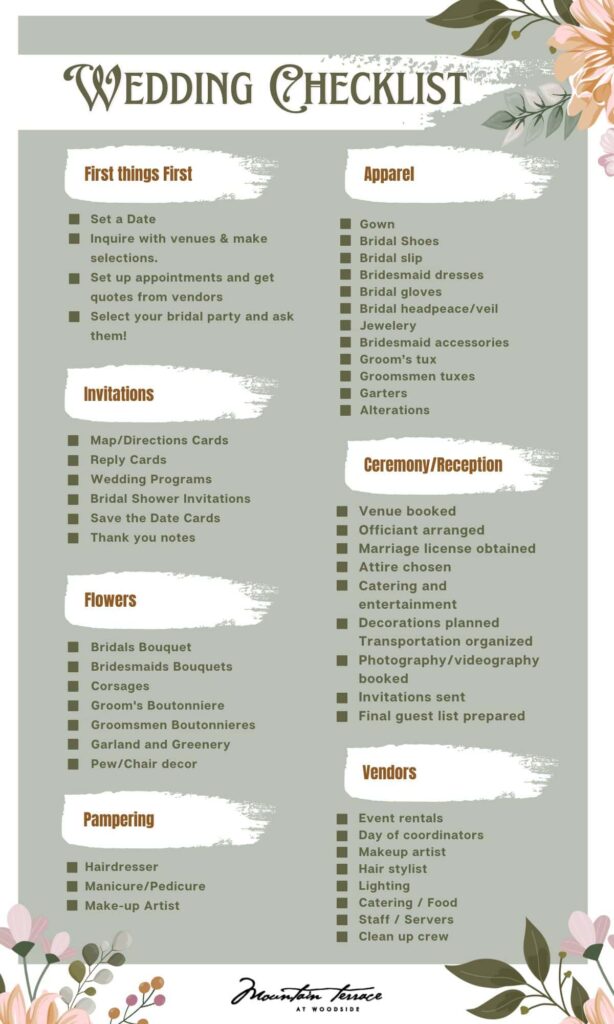
Planning a wedding is exciting, emotional, and deeply personal. Many couples begin the journey believing they can manage everything on their own. While that confidence is admirable, reality often tells a different story. Without professional guidance, small oversights can quickly turn into major problems.
A Wedding Planner does much more than organize vendors—they bring experience, structure, and calm to one of the most important days of your life. Below are the 10 most common mistakes couples make when they don’t hire a Wedding Planner, and why avoiding them can save time, money, and stress.
1. Underestimating the Time Required for Planning
Wedding planning is not a weekend project. Couples often underestimate how many hours go into:
- Researching vendors
- Comparing prices
- Coordinating schedules
- Managing follow-ups
Without a Wedding Planner, these tasks usually fall on evenings and weekends, leading to burnout months before the big day.
2. Poor Budget Management
Many couples start with a budget but struggle to stick to it. Common issues include:
- Hidden vendor costs
- Overspending on décor or outfits
- Forgetting essential expenses
A Wedding Planner helps allocate funds wisely and prevents emotional overspending.
3. Booking Vendors Too Late
Popular photographers, venues, and makeup artists are often booked months—or even a year—in advance. Couples who delay decisions risk:
- Limited options
- Higher prices
- Compromising on quality
A Wedding Planner knows when and how to book vendors strategically.
4. Lack of a Clear Wedding Timeline
Without a detailed timeline, weddings can feel rushed or disorganized. Delays in one event can affect the entire day.
Professional planners create minute-by-minute schedules to ensure:
- Smooth transitions
- Timely rituals
- Happy guests
5. Trying to Do Everything Alone
Many couples hesitate to delegate tasks, thinking they can handle it all. This often leads to:
- Physical exhaustion
- Emotional stress
- Tension between families
A Wedding Planner acts as a central point of coordination, reducing pressure on everyone.
6. Overlooking Guest Experience
Couples often focus on décor and outfits but forget about guest comfort, such as:
- Clear directions
- Seating arrangements
- Food timing
- Hospitality support
A Wedding Planner ensures guests feel welcomed and well cared for throughout the celebration.
7. Miscommunication with Vendors
When couples manage multiple vendors themselves, miscommunication is common. This can result in:
- Incorrect décor setup
- Timing mismatches
- Missed expectations
Wedding Planners act as professional communicators, ensuring everyone is aligned.
8. No Backup Plan for Emergencies
Unexpected issues can arise:
- Weather changes
- Vendor delays
- Technical failures
Couples without a Wedding Planner often panic in such moments. Planners anticipate risks and prepare backup solutions in advance.
9. Being Too Stressed to Enjoy the Wedding Day
One of the biggest regrets couples share is not being fully present on their wedding day. Without a Wedding Planner, couples may spend the day:
- Answering calls
- Solving problems
- Coordinating people
Instead of celebrating, they end up managing.
10. Realizing Too Late That Help Was Needed
Many couples admit after the wedding that hiring a Wedding Planner would have made everything easier. Unfortunately, by then, the stress and mistakes have already happened.
A planner’s value is most visible when things go wrong—and their job is to make sure they don’t.
Frequently Asked Questions (FAQs)
1. Is a Wedding Planner only for big weddings?
No. Wedding Planners are valuable for weddings of all sizes, including intimate ceremonies.
2. Does hiring a Wedding Planner increase costs?
In most cases, planners help save money by avoiding mistakes and negotiating better deals.
3. Can a Wedding Planner help if planning is already in progress?
Yes. Many planners offer partial or day-of coordination services.
4. What’s the difference between a coordinator and a Wedding Planner?
A planner manages the entire process, while a coordinator focuses mainly on execution.
5. When is the best time to hire a Wedding Planner?
Ideally, right after engagement—but it’s never too late to seek professional help.
6. Can couples still make decisions if they hire a Wedding Planner?
Absolutely. The planner supports your vision, not replaces it.
Conclusion
Planning your wedding without professional help may seem manageable at first, but the risks often outweigh the savings. From budget issues to day-of stress, these mistakes can affect both your experience and memories.
Hiring a Wedding Planner isn’t about luxury—it’s about peace of mind. With the right expert by your side, you can focus on what truly matters: celebrating love, family, and the beginning of a new chapter.